
TOP STORIES



2025-06-30 | BY SCSPI
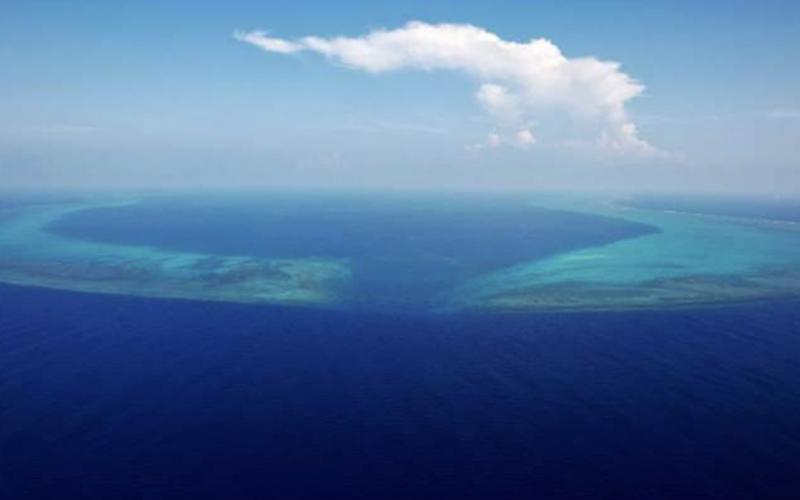
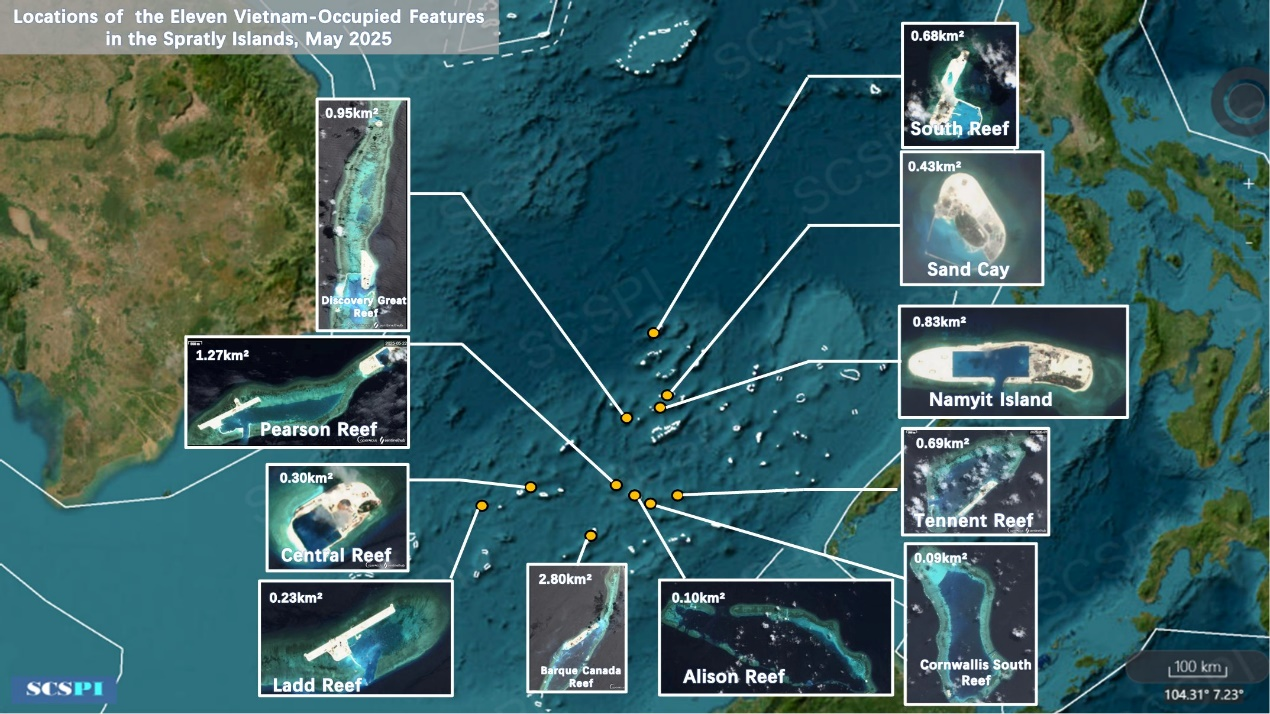
The Spratly Islands sits in the southern part of the South China Sea, stretching from Marie Louise Bank in the north to James Shoal in the south, bordered by Vanguard Bank to the west and Seahorse Shoal to the east. It is China’s southernmost archipelago, comprising over 200 islands, reefs, shoals and sandbars. 6 parties—China, Vietnam, the Philippines, Malaysia, Brunei and Chinese Taiwan—have made claims to all or part of the islands, with Vietnam occupying 29 features in total. Since the 1970s, Vietnam has continuously carried out reclamation activities on relevant features. A new wave of expansion projects has been witnessed after October 2021.
2025-06-21 | BY Bao Yinan
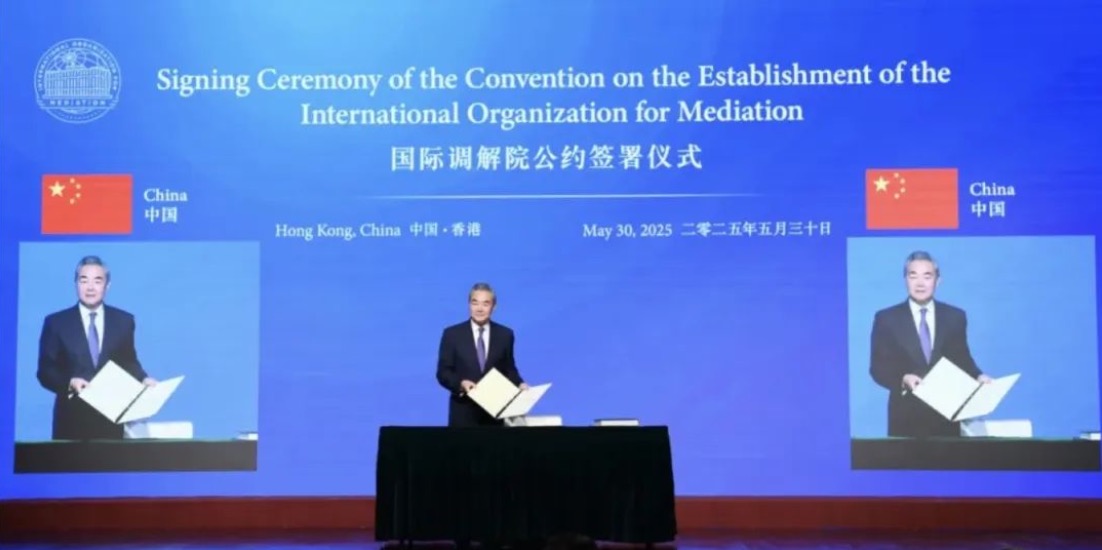
On May 30, 2025, 33 countries, including China, signed the Convention on the Establishment of the International Organization for Mediation (hereinafter referred to as the “Convention”) in Hong Kong, China. This marks the realization of the International Organization for Mediation (IOMed), which had been in preparation for over two years. The IOMed is the first international organization dedicated exclusively to resolving international disputes through mediation. As the Chinese Foreign Minister Wang Yi stated, the establishment of the IOMed “will fill an institutional gap in international mediation and serve as an important public good in the field of the rule of law for better global governance.”
2025-05-22 | BY Wang Tengfei
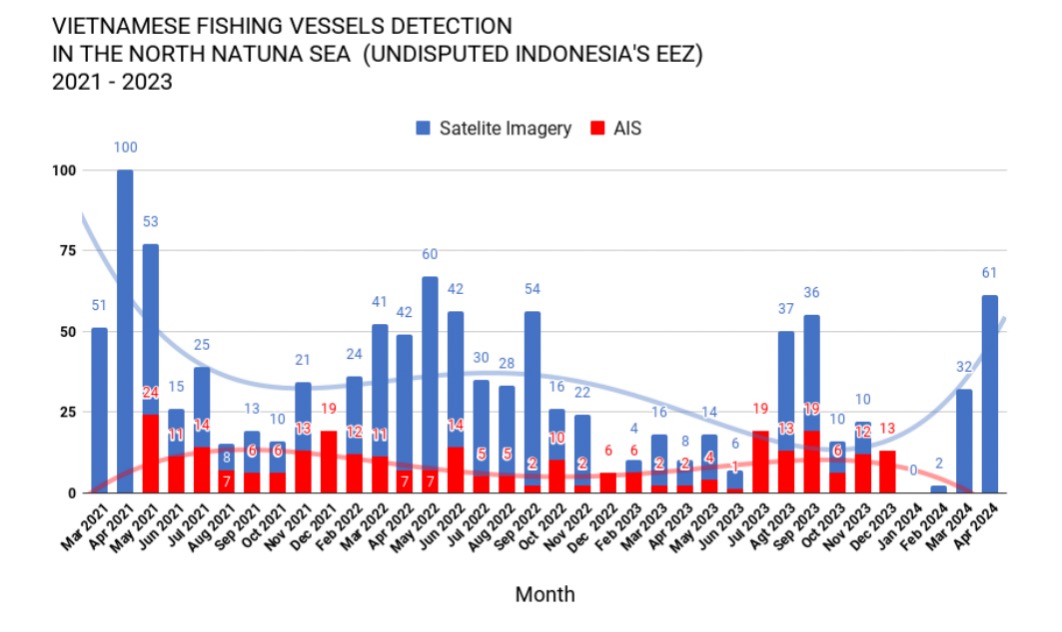
According to incomplete statistics from the Automatic Identification System (AIS) of ships, the number of Vietnamese fishing vessels’ activities in the South China Sea in 2023 and 2024 has continued to climb compared to previous years, especially in 2024, when the average monthly number exceeded more than 14,700 throughout the year and reached as many as 18,193 in July 2024, the highest number in years.

2025-01-18 | BY Hu Bo
In the South China Sea, three types of contradictions—maritime disputes, geopolitical competition and rules and order games—will persist in the long term and continue to escalate. Meanwhile, with an increasingly strengthening influence and power to control the situation, China may lack the ability and conditions to resolve the issues in the short term, but is competent to manage the situation.

2024-11-05 | BY SCSPI
The root causes of instability in the South China Sea are mainly three factors. First, the United States has nakedly “chosen sides” on the South China Sea issue, standing firmly on the opposite side of China. Second, some claimants in the South China Sea dispute are trying to solidify their vested interests. Third, the so-called ruling of the South China Sea Arbitration almost completely denies China’s claims in the South China Sea.